KUMARAKOM NEWS
Kumarakom’s Backwater Tourism Faces a New Sustainability Challenge
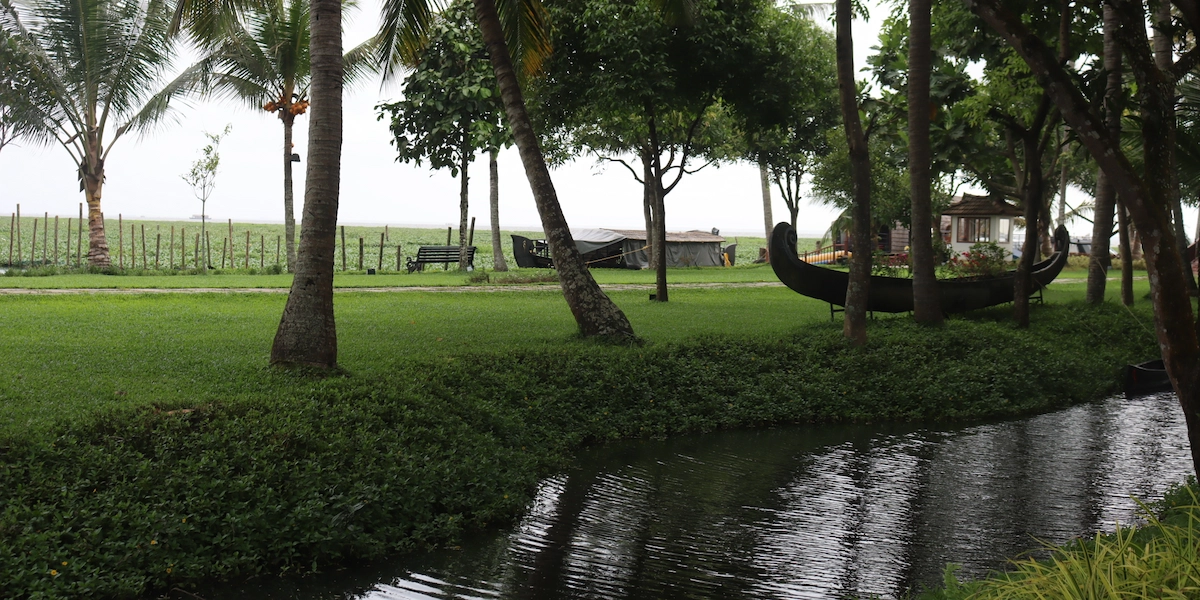
Kumarakom, Kerala: The future of Kumarakom’s backwater tourism is increasingly being linked to how effectively tourism activity can be balanced with the ecological capacity of Vembanad Lake.
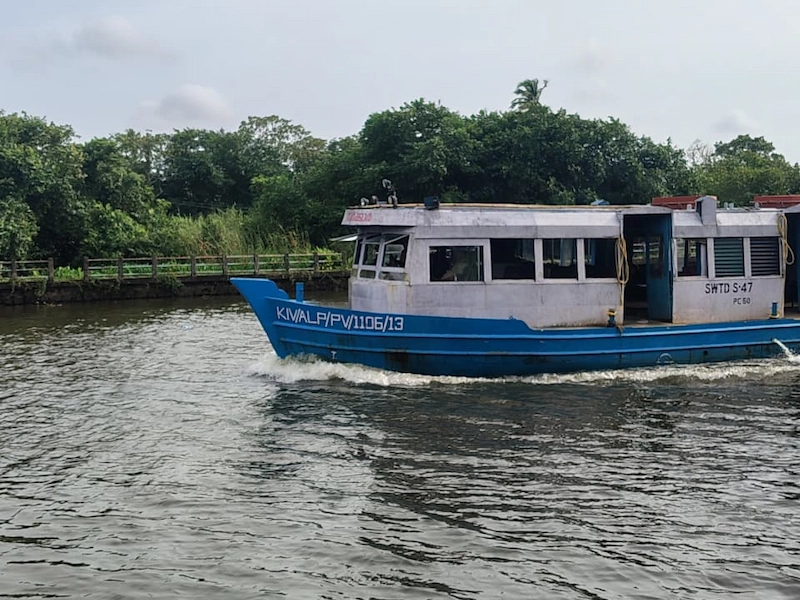
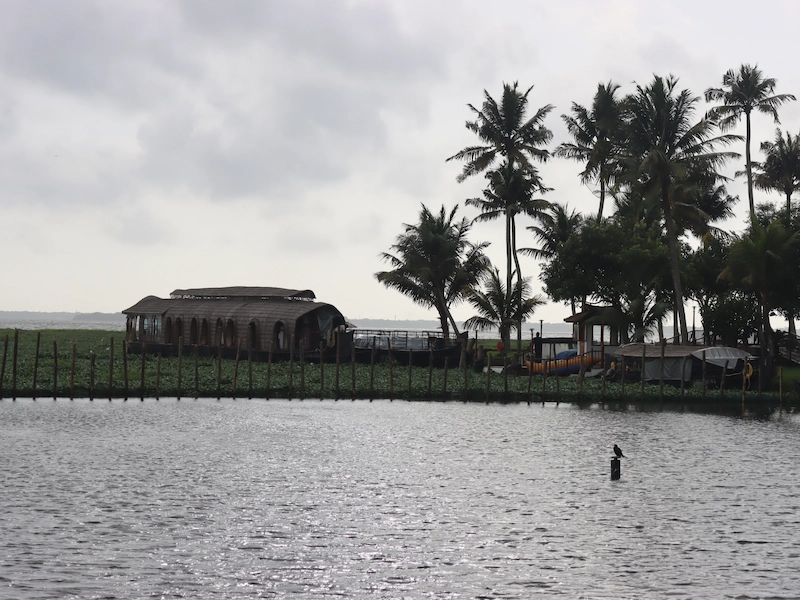
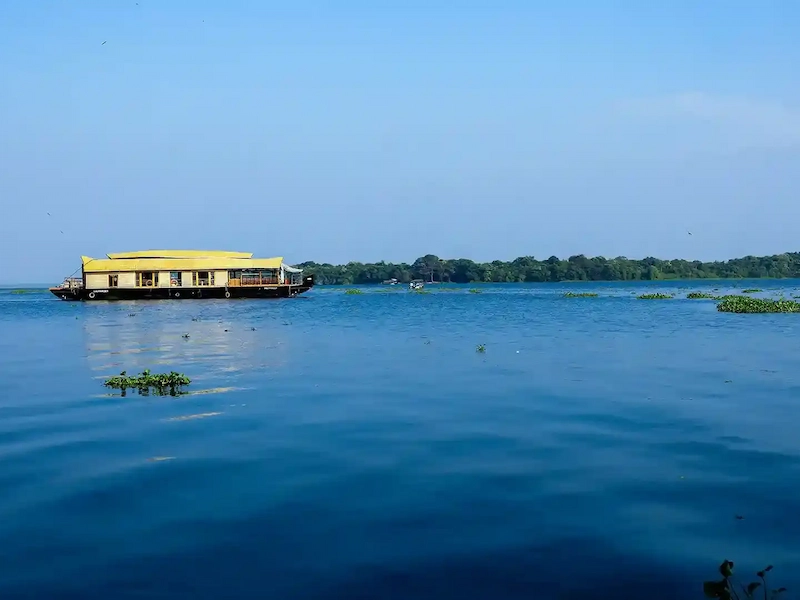
Recent studies and government discussions have highlighted concerns about the number of tourism and passenger boats operating across the lake. A report on the recreational carrying capacity of Vembanad found a significant gap between the number of houseboats operating in the lake and the level considered sustainable.
The findings have added urgency to discussions about waste management, sewage treatment, plastic reduction and regulation of unregistered boats.
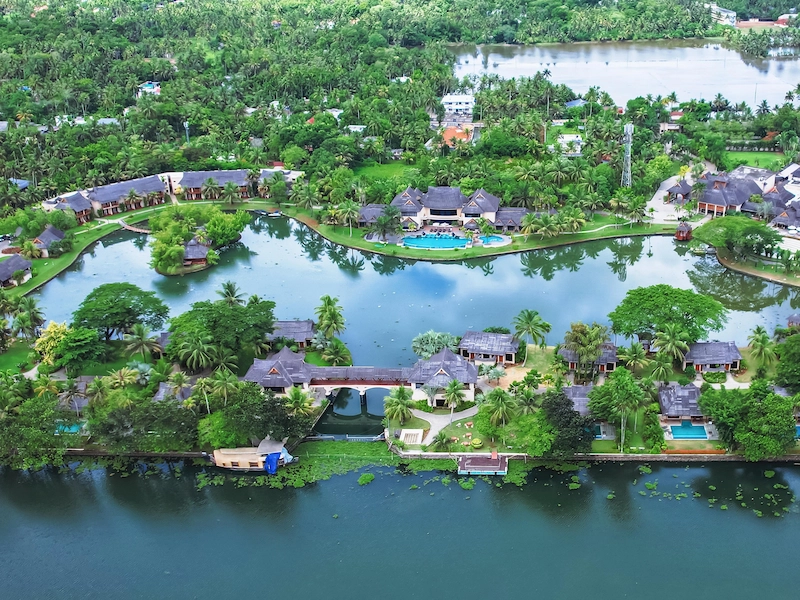
Kumarakom is one of the principal tourism centres on Vembanad and has benefited enormously from the growth of houseboat tourism. The sector supports accommodation providers, restaurants, transport operators, boat crews and numerous local businesses.
However, the environmental condition of the lake directly affects the future of all these activities. A polluted or degraded waterway could eventually reduce the attractiveness of the destination.
Authorities and tourism stakeholders are therefore increasingly looking towards more responsible operating practices. Measures under discussion include improved sewage treatment, better waste collection, reduced use of disposable materials and stricter enforcement of regulations.
The issue is particularly relevant to Kumarakom because visitors come to the destination specifically for its natural environment. The lake, canals, paddy fields, birdlife and village landscapes form the foundation of the tourism experience.
Sustainable tourism does not necessarily mean reducing tourism. Instead, it requires managing tourism within the ecological limits of the destination.
For Kumarakom, this could mean encouraging environmentally responsible boats, better waste-management systems and tourism businesses that minimise their impact on the lake.
As Kerala’s backwater tourism sector continues to attract visitors from India and overseas, protecting Vembanad will become increasingly important. Kumarakom’s long-term tourism success will depend not only on attracting visitors but also on preserving the natural environment that brings them to the destination.