KUMARAKOM NEWS
New Infrastructure and Hospitality Investment Strengthen Kumarakom’s Tourism Outlook
Kumarakom, Kerala: A combination of new infrastructure improvements, major hospitality investment and growing attention to sustainable tourism is shaping a new phase in Kumarakom’s tourism development.
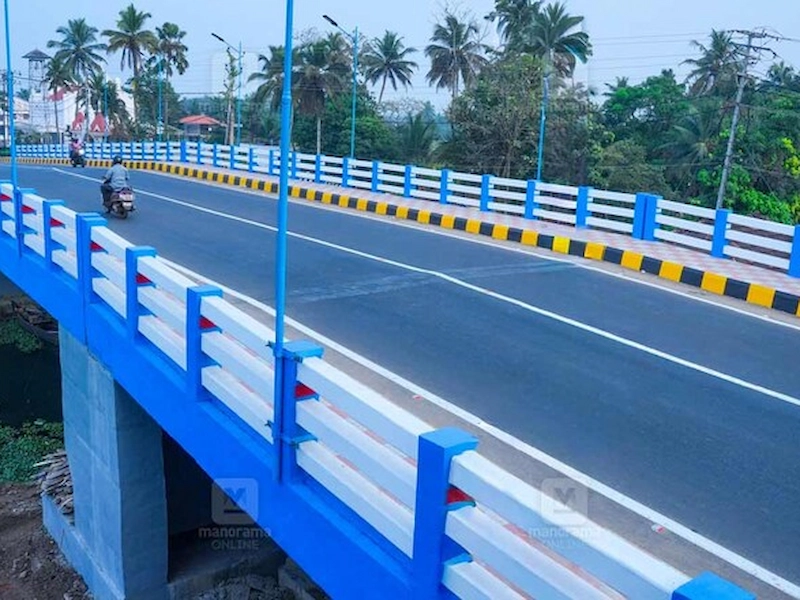
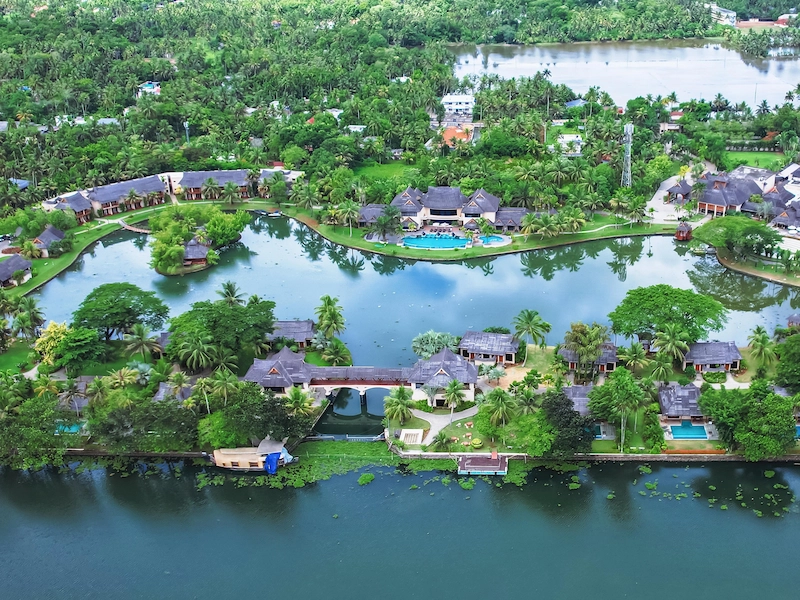
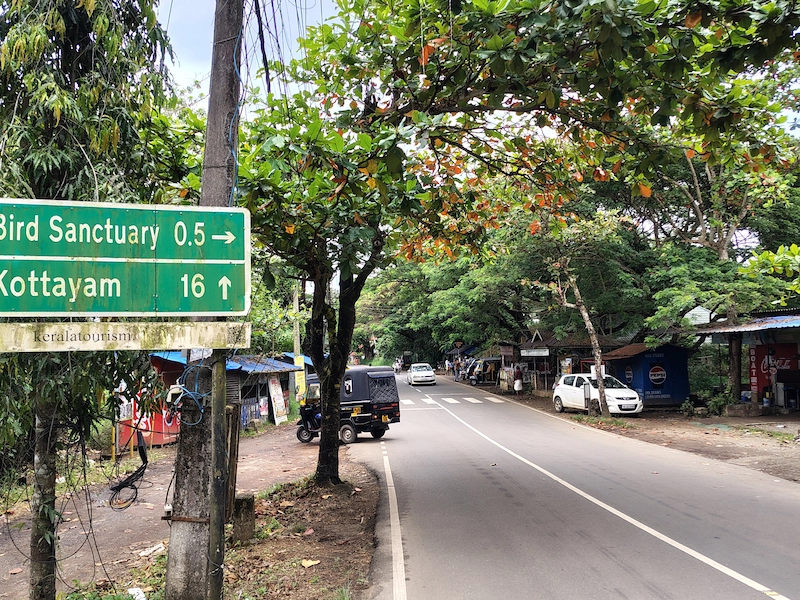
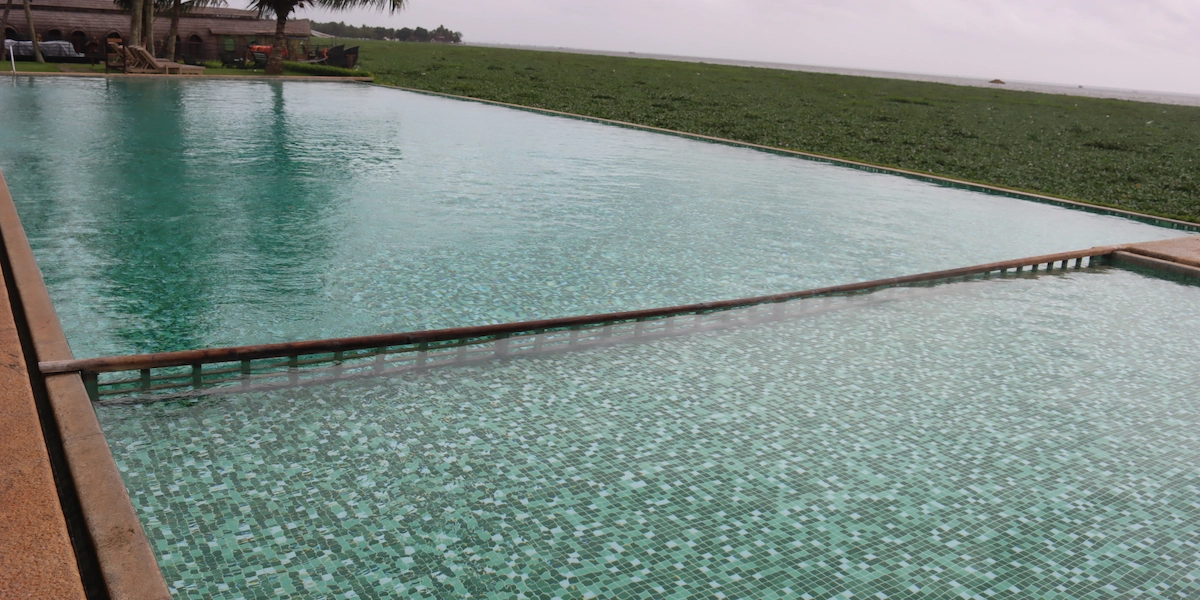
The destination has recently seen significant developments on both land and water. The opening of the Konathattu Bridge has improved the Kottayam–Kumarakom road connection, while ITC Hotels’ ₹205-crore acquisition of The Zuri Kumarakom represents a major investment in the destination’s luxury hospitality sector.
Together, these developments strengthen two essential components of tourism: accessibility and accommodation.
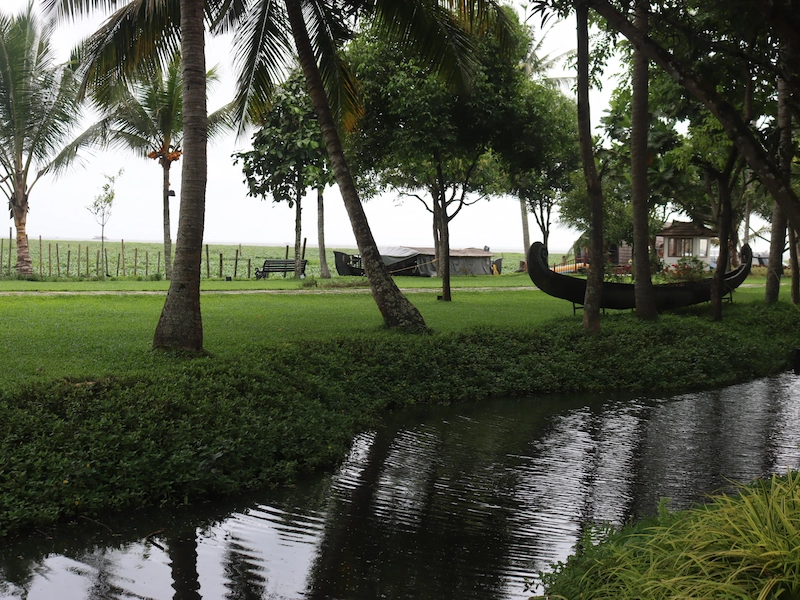
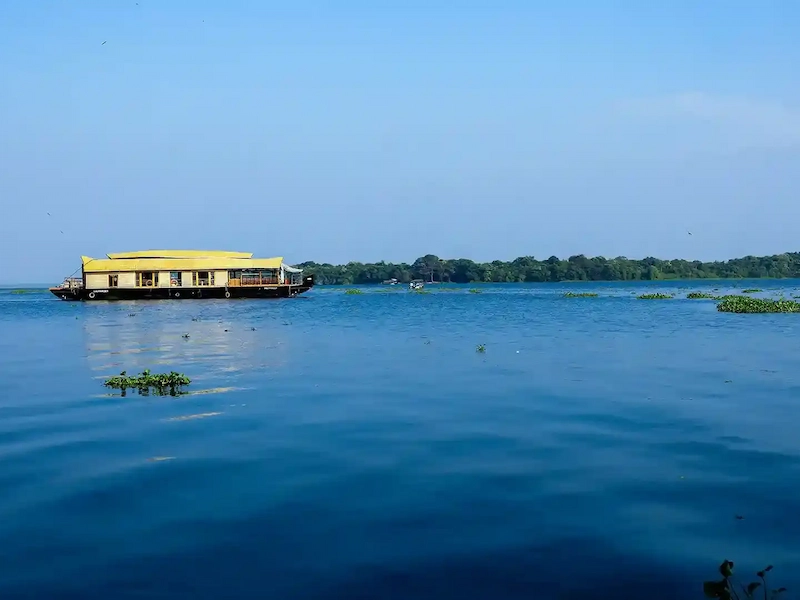
Kumarakom’s proximity to Kottayam and its location on Vembanad Lake have long made it one of Kerala’s most popular backwater destinations. Improved road connectivity can make the destination easier to reach, while investment from a major hospitality group can add further visibility to the luxury segment.
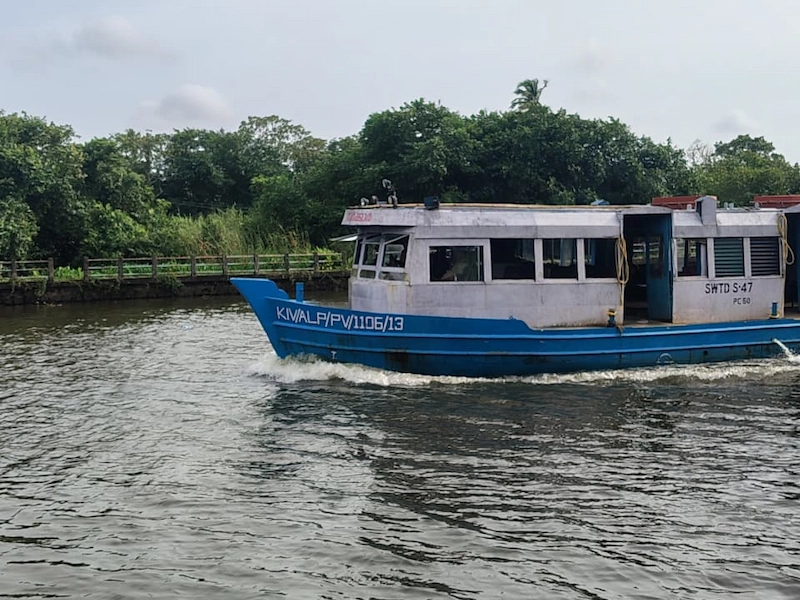
At the same time, Kumarakom’s tourism development cannot be separated from the health of Vembanad Lake. Environmental concerns surrounding houseboats, sewage and waste management have prompted authorities to consider stronger regulation and sustainability measures.
The challenge for Kumarakom will therefore be to achieve growth without placing excessive pressure on its natural resources.
The destination has several advantages that can support sustainable growth: backwater tourism, wellness, birdwatching, village experiences, traditional cuisine and proximity to major Kerala travel routes.
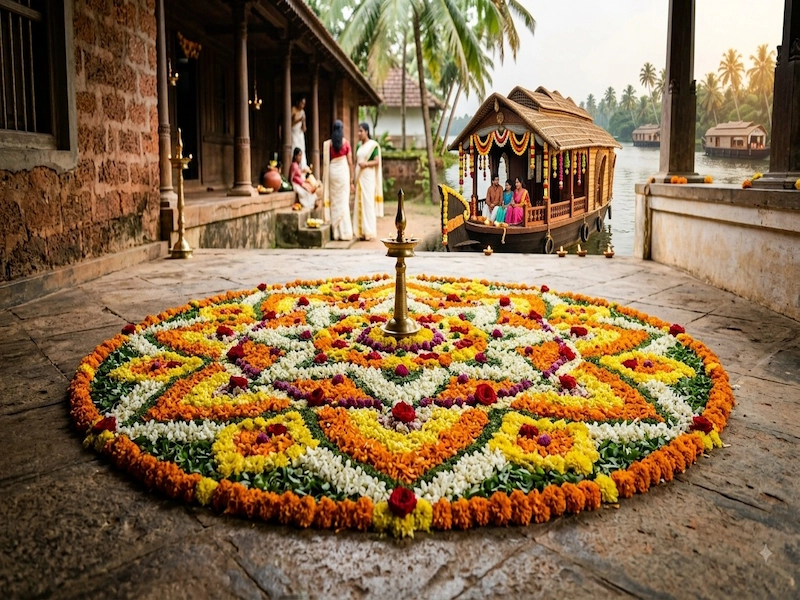
The upcoming Onam tourism season could provide another boost to visitor activity, with Kerala Tourism promoting the state’s cultural celebrations during August.
For Kumarakom, the current developments point towards a tourism market that is becoming more sophisticated. Better connectivity and premium hospitality can attract more visitors, while responsible tourism practices will be necessary to protect the natural environment that remains the destination’s greatest asset.
The coming years could therefore be important for Kumarakom as the destination seeks to balance tourism investment, accessibility, local economic benefits and environmental protection.