KUMARAKOM NEWS
Vembanad Lake Weed Removal Project to Begin in Kumarakom on September 10
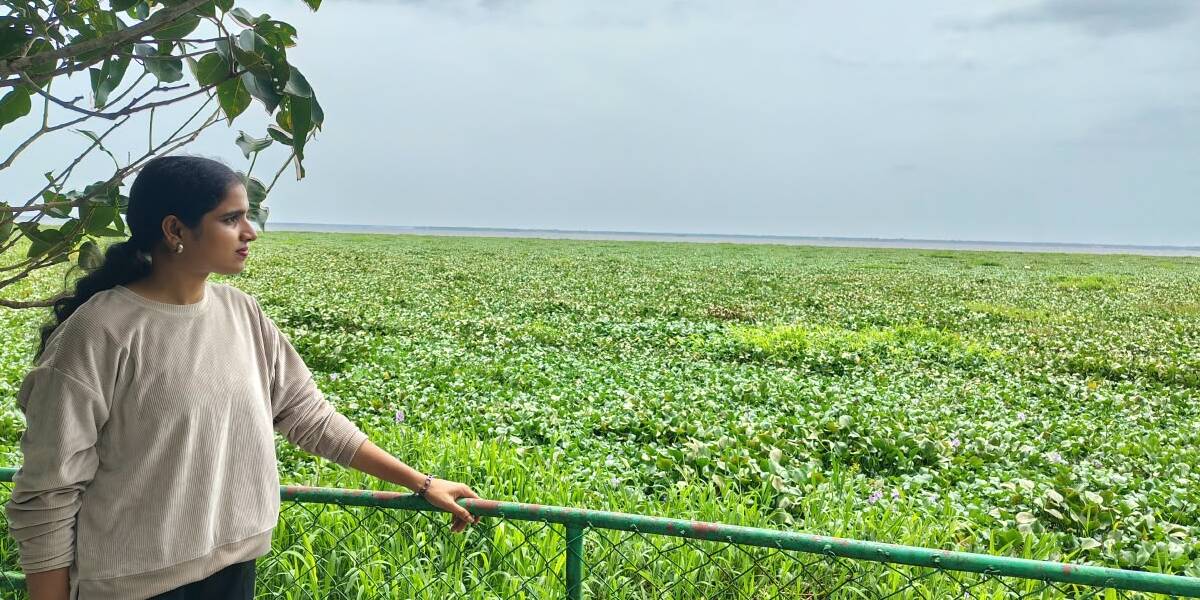
KUMARAKOM, KERALA: A new experimental project to remove and process aquatic weeds from Vembanad Lake will begin in Kumarakom on September 10, according to officials involved in the initiative.
The project, being undertaken by the Kerala State Wetland Authority, aims to use an innovative robotic boat-based system to collect the excessive growth of aquatic weeds, locally known as pola, from the lake.
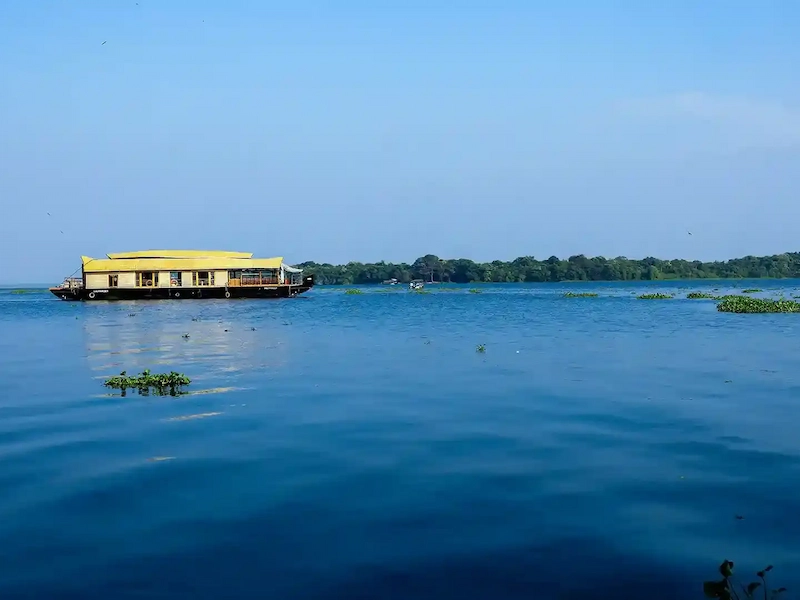
The initiative is expected to provide a more efficient way of managing the growing problem of aquatic weed accumulation in the Vembanad backwaters, which is an important ecological and tourism resource for Kumarakom.
Robotic boat to collect aquatic weeds
The proposed system will use a battery-powered robotic boat equipped with a conveyor mechanism to collect aquatic weeds from the lake.
Once the weeds are collected, the system will initially remove unwanted materials such as plastic and other waste mixed with the vegetation. The collected plant material will then be cut into smaller pieces before undergoing a dewatering and pulverising process.
The resulting material can subsequently be used as organic manure, providing a potential productive use for the large quantities of aquatic vegetation removed from the lake.
Specially designed for backwater conditions
The robotic boat is being designed to operate in relatively narrow areas of the lake and backwaters. According to the report, the vessel will be approximately 18 feet long and eight feet wide, allowing it to operate in locations where conventional larger equipment may face difficulties.
The robotic system is being developed with the participation of Sera Robotics, while an engineering institution at Nooranad is involved in developing the machinery required to process the collected aquatic weeds.
The technology is intended to make the removal and processing operation more mechanised while reducing dependence on manual labour.
Potential benefits for Vembanad Lake
The accumulation of aquatic weeds has been a persistent concern in parts of the Vembanad backwater system. Excessive vegetation can obstruct waterways, interfere with boat movement and affect the visual and ecological quality of the backwaters.
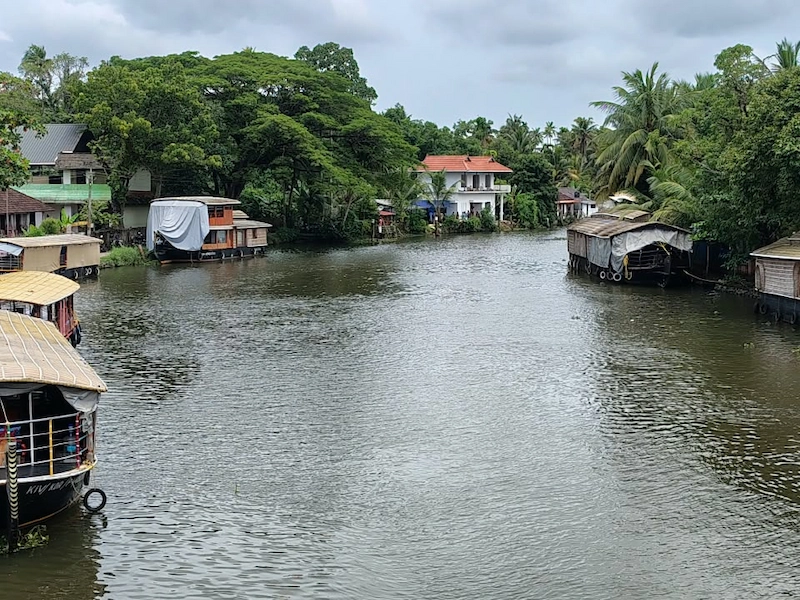
For Kumarakom, where backwater tourism, houseboats and boating activities form a major part of the local tourism economy, maintaining navigable and environmentally healthy waterways is particularly important.
The new initiative could therefore have significance beyond weed removal if the technology proves effective and can be expanded to other affected areas of Vembanad Lake.
Kumarakom tourism development plan includes weed removal
The newspaper report also notes that aquatic weed removal has been included in the Kumarakom tourism development master plan.
An allocation of ₹5 lakh has reportedly been included for the activity, with the project receiving approval from the district planning committee.
The initiative brings together wetland conservation, waste management and tourism interests, with the aim of finding a practical solution to one of the challenges facing the Vembanad ecosystem.
If successful, the robotic weed-removal system could provide Kumarakom with a model that may be adapted for other stretches of the Vembanad backwaters.
A step towards cleaner Kumarakom backwaters
The September 10 launch will mark the beginning of the experimental phase of the project. Its performance will be closely watched by local authorities, tourism stakeholders and environmental groups.
For Kumarakom, where the lake is central to both the destination's identity and economy, efforts to maintain cleaner and more navigable waterways could provide significant benefits to tourism, local livelihoods and wetland conservation.