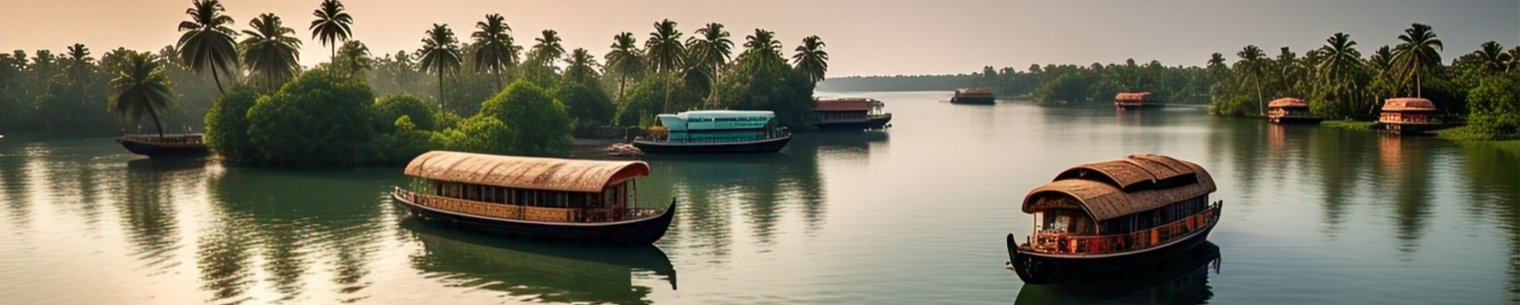
The Kumarakom Model: How Responsible Tourism Transformed This Island Village
In the global travel industry, "sustainability" is often used as a buzzword. However, in a quiet cluster of islands on the eastern banks of the Vembanad Lake in Kerala, it is a way of life. The Kumarakom Model of Responsible Tourism (RT) is not just a successful administrative experiment; it is a global benchmark that has earned accolades from the United Nations World Tourism Organization (UNWTO).
For the traveler visiting Kumarakom.com, understanding this model adds a profound layer of meaning to their holiday. You aren't just staying in a luxury resort; you are participating in a socio-economic ecosystem that preserves the environment and empowers the local community. This long-form guide explores the evolution, impact, and traveler experiences of the Responsible Tourism Kumarakom initiative.
1. What is the Kumarakom Model?
At its core, the Kumarakom Model is based on the "Triple Bottom Line" philosophy: Economic Responsibility, Social Responsibility, and Environmental Responsibility. Before 2008, Kumarakom faced the classic "tourism paradox." While luxury resorts were springing up, the local community felt alienated. There were conflicts over water usage, waste management, and the lack of local employment. The Kerala Government stepped in to create a bridge between the tourism industry and the villagers.
The Three Pillars of Transformation:
- Economic: Ensuring that the money spent by tourists reaches the pockets of the local farmers, fishermen, and artisans.
- Social: Preserving the traditional way of life and involving the community in tourism decision-making.
- Environmental: Protecting the fragile Kumarakom Backwater ecosystem, mangroves, and water bodies from pollution.
2. From Backwater Village to Global Icon: The History
In the early 1990s, Kumarakom was known primarily for its rubber and coconut plantations. The arrival of the first luxury resorts began a transformation that initially excluded the locals. By the mid-2000s, the Responsible Tourism Mission was launched.
The turning point came when the village decided to sell its "daily life" as an experience. Instead of just viewing the backwaters from a distance, tourists were invited into the courtyards of homes. This shifted the narrative from "sightseeing" to "immersion." Today, Kumarakom is a winner of the UNWTO Ulysses Award, proving that tourism can thrive without destroying the destination.
3. The Economic Impact: Linking Resorts to Roots
One of the most successful aspects of the Kumarakom Model is the supply chain link. In most tourist destinations, food is trucked in from distant cities. In Kumarakom, the RT Mission established "Samrudhi" groups.
- Local Procurement: Over 15 major resorts in Kumarakom now source their vegetables, eggs, milk, and fish directly from local homestead farmers.
- Impact: This ensures that millions of rupees stay within the village economy. When you eat a "Karimeen Pollichathu" (Pearl Spot fish) at a resort, there is a high chance it was caught that morning by a Kumarakom fisherman and delivered directly to the chef.
4. Village Life Experience (VLE): The Heart of RT
For a visitor, the most tangible part of the model is the Village Life Experience Tour. These are curated half-day or full-day tours that take you into the heart of the community.
Key Activities in the VLE Tour:
- Coconut Leaf Weaving: Watch local women skillfully weave palm leaves used for traditional roofing.
- Screw Pine Craft: Learn how the fibers of the screw pine plant are turned into beautiful mats and bags.
- Traditional Fishing: Go out on a small "Vanji" (country boat) and try "Velli" (bow and arrow) fishing or use traditional nets.
- Toddy Tapping: Observe the "tappers" climb 40-foot coconut trees to collect the sap that becomes Kerala’s famous natural beverage.
By booking these tours through Kumarakom.com, you are directly paying the artisans for their time and skill, ensuring these traditions don't die out.
5. Environmental Stewardship: Protecting the Vembanad
The Kumarakom Backwater Tourism industry relies entirely on the health of the Vembanad Lake. The RT model introduced several green initiatives:
- Plastic-Free Zone: Rigorous campaigns have made Kumarakom one of the cleanest tourist spots in India.
- Mangrove Restoration: Local youth groups are trained to plant and protect mangroves, which act as natural barriers against erosion and provide breeding grounds for fish.
- Organic Farming: The transition to organic paddy cultivation in the Kuttanad region (the "Rice Bowl of Kerala") has reduced chemical runoff into the lake.
6. Houseboat Tourism and Responsibility
The Kerala Houseboat is the face of Kumarakom. Under the Responsible Tourism framework, houseboat operators are encouraged to adopt eco-friendly practices:
- Waste Management: Strict protocols for sewage disposal to ensure no waste enters the lake.
- Local Staffing: 90% of the staff on Kumarakom houseboats are locals who know the waters better than anyone else.
- Silent Cruises: A push toward electric and solar-powered boats to reduce noise pollution for the birds in the Kumarakom Bird Sanctuary.
7. A Guide for the Conscious Traveller
How can you, as a traveller, support the Kumarakom Model?
- Stay Local: Choose resorts that are RT-certified or support local employment.
- Eat Authentic: Seek out small village eateries or "Toddy Shops" for a meal that supports local vendors.
- Book a VLE Tour: Instead of just sitting in your room, spend a morning in the village. It’s the most rewarding way to experience Kerala Tourism.
- Respect the Water: Avoid using single-use plastic bottles during your houseboat cruise.
- Shop Artisanal: Buy coir products and hand-woven bags directly from the village clusters.
8. Why This Matters for Future Travellers
The world is moving toward "Slow Travel." People no longer want to just "see" a place; they want to "feel" it. The Kumarakom Model offers exactly that. It provides a blueprint for how other destinations—be it the hills of Munnar or the beaches of Varkala—can balance growth with soul.
When you visit Kumarakom in 2026, you are witnessing a village that has regained its pride. The youth are no longer leaving for cities in search of jobs; they are becoming naturalists, boat captains, and organic farmers, proud to showcase their heritage to the world.
9. Suggested Itinerary: The "Responsible" 2-Day Stay
Day 1: The Water and the Wings
- Morning: Early visit to the Kumarakom Bird Sanctuary.
- Afternoon: Board a luxury Kumarakom Houseboat for a lunch cruise.
- Evening: A sunset walk along the bund road, interacting with local fishermen.
Day 2: The Soul of the Village
- Morning: Participate in a Village Life Experience Tour (Coconut weaving, screw pine making).
- Lunch: A traditional "Sadhya" served on a banana leaf at a local home.
- Afternoon: Visit the Bay Island Driftwood Museum.
- Evening: A cultural performance of Kathakali or Mohiniyattam at your resort.
The Kumarakom Model proves that tourism doesn't have to be an extractive industry. It can be a regenerative one. By choosing Kumarakom for your next holiday, you aren't just a spectator; you are a patron of a movement that protects the environment and uplifts thousands of lives.
Explore the backwaters, taste the local spices, and immerse yourself in the warmth of the village. God’s Own Country is at its most authentic here, where every boat ride and every meal tells a story of responsibility and respect.
Book your journey today on Kumarakom.com and experience the magic of a village that transformed the world.
FAQ: Responsible Tourism in Kumarakom
1. What exactly is the "Village Life Experience" tour?
It is a guided tour where visitors visit local homes to see traditional occupations like coir making, fishing, and farming. It is designed to give tourists an authentic look at Kerala life while providing income to villagers.
2. Is Kumarakom better than Alleppey for a houseboat trip?
While Alleppey is famous for its vast network of canals, Kumarakom offers a more peaceful, luxury-oriented, and eco-conscious experience on the open waters of Vembanad Lake.
3. How does my visit help the local community?
Through the RT Mission, a portion of the revenue from tours and food goes directly to the Samrudhi groups (local community groups), ensuring that tourism supports local livelihoods.
4. Can I visit the Kumarakom Bird Sanctuary year-round?
Yes, but the best time is between November and February for migratory birds, or June to August for local breeding birds.
5. Are there eco-friendly houseboats in Kumarakom?
Yes, many operators now use bio-toilets and some have introduced solar-powered engines to minimize the environmental footprint.