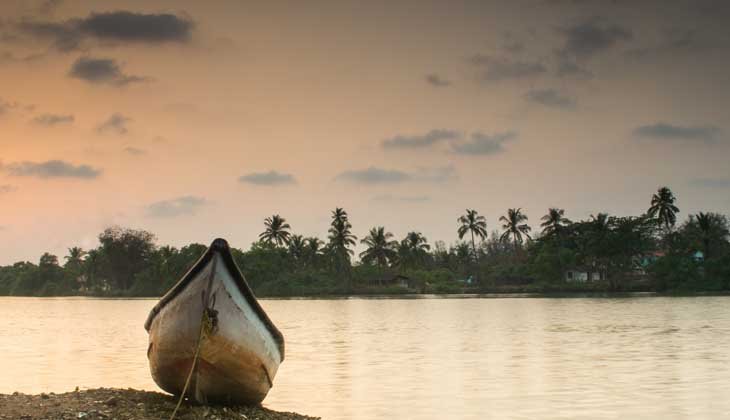
In the heart of Kerala’s backwaters lies a village that has quietly revolutionized tourism in India—Kumarakom. Known for its serene waterways, lush green landscapes, and abundant birdlife, Kumarakom is not only a stunning travel destination but also a pioneering model of responsible tourism.
While travelers marvel at its houseboats and sunsets, something deeper is unfolding beneath the surface: a community-led transformation where tourism empowers locals economically, culturally, and socially. This blog explores how Kumarakom has put its people at the center of tourism—and why it’s considered a beacon of sustainable travel in India.
The Vision Behind Responsible Tourism in Kumarakom
The seeds of responsible tourism were sown in Kumarakom in 2007, when the Kerala government launched the Responsible Tourism Mission (RT Mission). The idea was simple but revolutionary: make tourism people-centric instead of profit-centric.
The goal?
• Ensure that tourism generates income for local communities
• Protect the natural environment
• Promote cultural heritage
• Minimize negative impacts of mass tourism
Kumarakom was chosen as a pilot destination, and it didn’t take long for the village to set a national and global example.
From Spectators to Stakeholders: Local Inclusion in Tourism
In most destinations, locals are bystanders while big operators profit. Kumarakom flipped the script.
Here, the villagers are active participants and beneficiaries in the tourism ecosystem. From organic farmers and craftswomen to cultural performers and homestay hosts, residents have become stakeholders—earning livelihoods while preserving their way of life.
Homestays:
Villagers open their homes to travelers, offering authentic experiences, home-cooked meals, and genuine hospitality. It not only diversifies accommodation options but also provides direct income to households.
Local Cuisine and Catering:
Self-help groups, primarily run by women, prepare traditional Kerala meals for houseboats, hotels, and cultural events. These groups have turned cooking skills into thriving micro-enterprises.
Cultural Performers and Artisans:
Kumarakom's tourism includes performances of Kathakali, Mohiniyattam, and traditional music—performed by local artists. Tourists also buy handicrafts, coir products, and souvenirs directly from the makers, cutting out middlemen.
Economic Empowerment through Tourism
One of the most profound impacts of Kumarakom’s tourism model is job creation and economic independence. With tourism embedded into daily life, locals—many of whom previously relied on fishing and farming alone—have found new income streams.
Women at the Forefront
Perhaps the most inspiring aspect of Kumarakom’s story is the empowerment of women. Through the Kudumbashree mission (a state-run poverty alleviation program), women have formed self-help groups (SHGs) that:
- Provide catering and meal services
- Manage handicraft production units
- Organize village tours
- Operate local transportation services
These groups are trained in entrepreneurship, hygiene, hospitality, and marketing, helping women gain financial stability and confidence.
Authentic Village Experiences for Tourists
Kumarakom’s tourism isn’t built on artificial attractions—it thrives on authentic village life. Tourists can experience:
- Canoe rides through narrow canals
- Fishing and crab catching with local fishermen
- Coconut plucking and toddy tapping demonstrations
- Visits to coir-making units and spice gardens
- Organic farming and paddy field tours
- Cooking classes in traditional Kerala kitchens
These interactions create meaningful connections between tourists and villagers, fostering mutual respect and cultural exchange.
Sustainability at the Core
Empowering communities isn’t just about money—it’s also about protecting the land and culture they live in. Kumarakom’s Responsible Tourism initiative places great emphasis on sustainability, including:
- Eco-friendly houseboats using solar panels and waste treatment
- Ban on plastic usage in tourism activities
- Local sourcing of materials and food
- Awareness programs for both tourists and residents
These practices help conserve Kumarakom’s delicate backwater ecosystem while ensuring tourism doesn't degrade the natural or cultural environment.
Capacity Building and Training
Tourism empowerment is not possible without skill development. The RT Mission conducts regular training for locals on:
- Hospitality and service standards
- Food safety and hygiene
- English and communication skills
- Digital literacy for promoting services online
These programs have not only improved the quality of tourism services but have also built self-reliance within the community.
Collaboration with Private Sector and NGOs
Kumarakom’s success also lies in its collaborative model. Hotels, resorts, and houseboat operators are encouraged (and often required) to source locally—from vegetables and fish to souvenirs and performances.
NGOs and government agencies work closely with the community, ensuring that tourism does not become exploitative. This inclusive ecosystem balances commercial tourism with community benefit.
Awards and Global Recognition
Kumarakom’s Responsible Tourism model has earned several accolades, including:
- UNWTO Ulysses Award for Innovation in Public Policy and Governance (2013)
- National Award for Best Responsible Tourism Project
- Featured by the World Travel & Tourism Council (WTTC) as a best practice
These awards validate what the locals already know: tourism can be a force for good when managed responsibly.
Tourist Testimonials: A Different Kind of Travel
Visitors to Kumarakom often remark how different the experience is compared to other touristy destinations. The smiles of villagers, the home-cooked meals, the slow pace of life—all contribute to a deeper, more mindful travel experience.
For many travelers, the highlight isn’t just the backwaters or bird sanctuary—it’s the human connection. Sitting with a grandmother weaving coconut leaves, learning to make fish curry, or helping harvest rice—these are the moments that truly stay with them.
Challenges and the Road Ahead
Despite its success, Kumarakom faces challenges:
- Keeping up with growing tourist demand while maintaining authenticity
- Ensuring fair distribution of tourism income
- Adapting to climate change and rising water levels
However, the community’s strong foundations, ongoing training, and policy support make it well-equipped to handle future hurdles.
The Kerala government continues to invest in digital tools, better infrastructure, and expanding the responsible tourism model to nearby villages.
How You Can Be a Responsible Tourist in Kumarakom
- Choose homestays or eco-certified accommodations
- Book village experiences through the RT Mission or local SHGs
- Buy handmade souvenirs directly from artisans
- Avoid plastic and reduce water/electricity usage
- Learn a few words of Malayalam to connect better
- Respect local customs and privacy
Every conscious choice you make contributes to the well-being of the community.
Conclusion: A Blueprint for the Future
Kumarakom shows that tourism doesn’t have to be exploitative. It can be transformative—for the traveler and the host alike. By putting people and the planet first, Kumarakom has created a tourism model that is inclusive, ethical, and deeply enriching.
As other destinations around the world look to balance economic development with sustainability, Kumarakom stands tall as a living example of tourism done right—where the backwaters don’t just reflect palm trees, but also hope, dignity, and empowerment.