Nestled on the serene banks of Vembanad Lake in Kerala, Kumarakom is a peaceful village that perfectly captures the heart of “God’s Own Country.” Known for its emerald backwaters, lush greenery, and tranquil pace, Kumarakom offers a magical escape from the chaos of modern life. But it’s not just a beautiful place—it’s a living example of sustainable and responsible tourism, where local communities thrive alongside thriving ecosystems.
Nestled on the serene banks of Vembanad Lake in Kerala, Kumarakom is a peaceful village that perfectly captures the heart of “God’s Own Country.” Known for its emerald backwaters, lush greenery, and tranquil pace, Kumarakom offers a magical escape from the chaos of modern life. But it’s not just a beautiful place—it’s a living example of sustainable and responsible tourism, where local communities thrive alongside thriving ecosystems.
This blog explores what makes Kumarakom’s backwaters a must-experience destination, from floating houseboats and vibrant birdlife to local village culture and eco-conscious travel.
A Unique Backwater Experience
The backwaters of Kerala are a network of lagoons, rivers, lakes, and canals running parallel to the Arabian Sea coast. Among these, Kumarakom stands out for its blend of natural beauty and well-preserved village culture. Unlike the busier Alleppey, Kumarakom offers a more intimate, less commercialized experience that is ideal for those seeking serenity and authenticity.
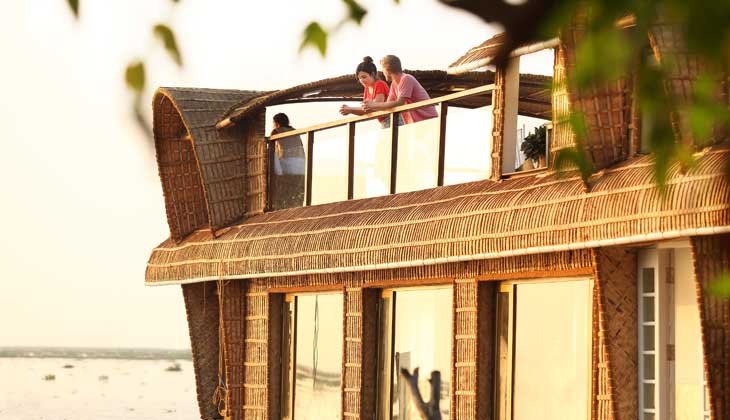
The highlight of any visit is gliding across the calm waters in a traditional houseboat, called a kettuvallam. These houseboats, once used to transport rice and spices, are now equipped with all modern comforts—bedrooms, living areas, kitchens, and even private balconies. As your boat drifts through the waterways, you'll pass swaying coconut palms, green paddy fields, fishermen casting their nets, and women washing clothes by the riverbank. It's a slow, soothing journey that invites you to breathe deeply and simply be.
Houseboats: Floating Dreams
A houseboat cruise in Kumarakom is not just about sightseeing—it's an experience in itself. Most tours are available for a few hours, a day, or overnight stays with meals prepared by an onboard chef using fresh local ingredients. Imagine waking up to the sound of rippling water and the call of distant birds, sipping fresh coconut water as your boat moves through a silent morning mist.
Whether you're a couple seeking romance, a family looking to reconnect, or a solo traveler in search of peace, houseboats in Kumarakom cater to all kinds of travelers.
Eco-tip: Many houseboat operators now use solar panels and follow responsible waste management. Look for certified eco-friendly operators for a more sustainable experience.
Birdwatching in Kumarakom: A Paradise for Nature Lovers
A visit to Kumarakom is incomplete without exploring the Kumarakom Bird Sanctuary, located on the eastern shore of Vembanad Lake. Spanning 14 acres, this lush sanctuary is home to a wide variety of local and migratory birds. From herons and egrets to kingfishers and the majestic Siberian cranes (in winter), it’s a haven for ornithologists and photographers alike.
Early morning is the best time to visit when the sanctuary is alive with calls and wingbeats. You can walk along the well-maintained trails or even take a canoe ride into the quieter backwater stretches for a closer look at the birds in their natural habitat.
Village Life and Rural Charm
Kumarakom is not just about natural beauty—it's a living, breathing community that offers immersive rural tourism experiences. Visitors can walk through villages, visit local homes, participate in farming activities, and learn traditional skills like coir weaving or toddy tapping (collecting sap from palm trees to make a local alcoholic drink).
These experiences are part of Kumarakom's Responsible Tourism initiative, which ensures that tourism directly benefits local families. Visitors get genuine cultural exposure, while locals earn a sustainable livelihood. It’s a win-win that turns tourism into a force for good.
Flavors of the Backwaters: Local Cuisine
Kerala’s cuisine is an integral part of the Kumarakom experience. Freshwater fish, coconut, spices, and rice form the basis of many traditional dishes. While on a houseboat or in a homestay, don’t miss:
- Karimeen Pollichathu (Pearl spot fish grilled in banana leaf)
- Meen Curry (Spicy fish curry with coconut)
- Avial (Mixed vegetables in coconut gravy)
- Kappa and Meen (Boiled tapioca served with fish curry)
Meals are often served on banana leaves, adding to the rustic charm. Toddy shops nearby offer local flavors and an insight into the daily lives of fishermen and farmers.
Responsible and Sustainable Tourism
Kumarakom is globally recognized as one of the early adopters of Responsible Tourism (RT) practices in India. The RT mission focuses on:
- Empowering local communities
- Promoting eco-friendly accommodations
- Managing waste effectively
- Preserving cultural heritage
Tourists are encouraged to participate in community-based experiences like cultural tours, organic farming, and handicraft workshops. By choosing local homestays over commercial resorts, and buying directly from artisans, visitors contribute directly to the region’s sustainable development.
When to Visit Kumarakom
The best time to visit Kumarakom is between October and March, when the weather is pleasant and suitable for houseboat rides and birdwatching.
Monsoon (June to September): Beautiful, lush, and perfect for Ayurveda treatments, but heavy rains may affect travel.
Summer (April to May): Hot and humid, but fewer tourists and lower rates.
Getting There
- By Air: The nearest airport is Cochin International Airport (approx. 75 km).
- By Train: The closest railway station is Kottayam, just 16 km away.
- By Road: Regular buses and taxis connect Kumarakom to major cities in Kerala.
- Once there, bicycles, canoes, and auto-rickshaws are ideal for getting around the area.
Tips for Travelers
- Book houseboats through verified operators (preferably eco-certified).
- Respect local customs—dress modestly and ask before taking photos of people.
- Avoid plastic; use refillable water bottles.
- Support local artisans by purchasing authentic souvenirs.
Why Kumarakom Stays with You
More than a tourist destination, Kumarakom is an experience of slow living, quiet reflection, and deep connection with nature and culture. Its backwaters aren't just scenic—they're spiritual, reminding us of the balance between human life and the environment.
Whether you're cruising on a houseboat, spotting birds at sunrise, sharing a meal in a village home, or just watching the sunset over Vembanad Lake, you'll find that the magic of Kumarakom lingers long after you leave.